
Cancer Screening
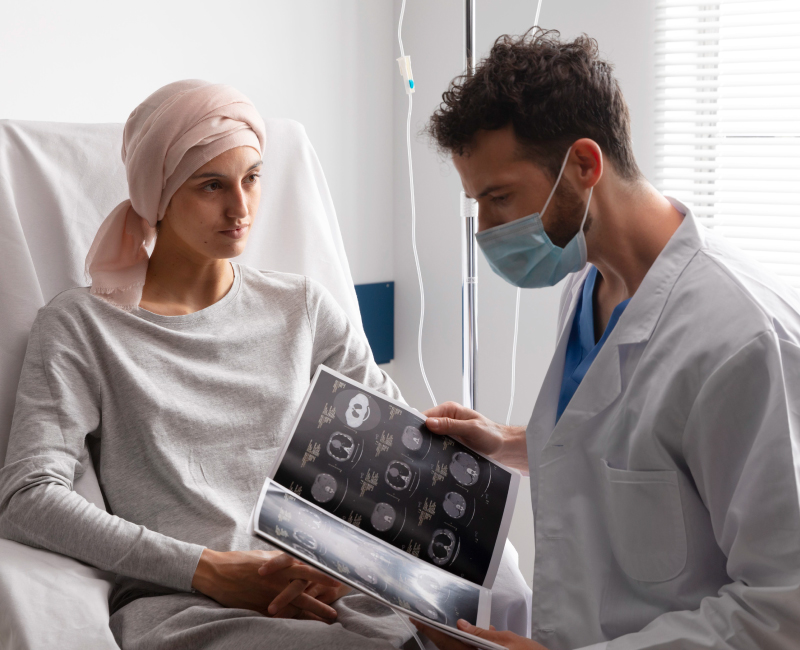
Cancer screening aims to detect cancer before symptoms appear. This may involve blood tests, urine tests, DNA tests other tests, or medical imaging. The benefits of screening in terms of cancer prevention, early detection and subsequent treatment must be weighed against any harms
Potential Benefits of Cancer Screening
In general, the benefit of cancer screening derives from detecting cancer in earlier and more treatable stages, and thereby, reducing mortality from cancer. In addition, for some cancer types and screening modalities, such as endoscopic screening for colorectal cancer and Papanicolaou (Pap) smears for cervical cancer, screening can also prevent the occurrence of cancer by identifying and removing cancer precursors. Screening may also reduce cancer morbidity when the treatment for earlier-stage cancer is associated with fewer side effects than the treatment for advanced cancers. Certain tests help find specific types of cancer before signs or symptoms appear. This is called screening. The main goals of cancer screening are to:
- Reduce the number of people who die from the disease, or prevent deaths from cancer altogether
- Reduce the number of people who develop the disease
Types of screening tests
Breast cancer
Mammography
Mammography is a type of x-ray specifically designed to view the breast. The images produced by mammography can show tumors or irregularities in the breast. These images are called mammograms.
Clinical breast examination
A medical professional looks and feels for any changes in the breast’s size or shape. The examiner also looks for changes in the skin of the breasts and nipples.
Breast self-examination
During this exam, a woman looks and feels for changes in her own breasts. If she notices any changes, she should see a doctor.
Magnetic resonance imaging (MRI)
An MRI is not regularly used to screen for breast cancer. But it may be helpful for women with a higher risk of breast cancer, those with dense breasts, or when a lump is found during a breast exam.
Cervical cancer
Human papillomavirus (HPV) testing
Cells are scraped from the outside of a woman’s cervix. These cells are tested for specific strains of HPV. Some strains of HPV are more strongly linked to an increased risk of cervical cancer. This test may be done alone or combined with a Pap test (see below). An HPV test may also be done on a sample of cells from a woman’s vagina that she can collect herself.
Pap test
This test also uses cells from the outside of a woman's cervix. A pathologist then identifies any precancerous or cancerous cells. A Pap test may be combined with HPV testing.
Colorectal cancer
Colonoscopy
During this procedure, the doctor inserts a flexible, lighted tube called a colonoscope into the rectum. The doctor is able to check the entire colon for polyps or cancer.
Sigmoidoscopy
The doctor uses a flexible, lighted tube called a sigmoidoscope to check the lower colon for polyps and cancer. The doctor cannot check the upper part of the colon with this test.
Fecal occult blood test (FOBT)
This test finds blood in the feces, or stool, which can be a sign of polyps or cancer. There are two types FOBT: guaiac and immunochemical.
Double contrast
This is an x-ray of the colon and rectum. The barium enema helps the outline of the colon and rectum stand out on the x-rays. Doctors use this test to screen people who cannot have a colonoscopy.
Stool DNA tests
This test analyzes DNA from a person’s stool sample to look for cancer. It uses DNA changes found in polyps and cancers to help a doctor decide if a colonoscopy is needed.
Head and neck cancers
General health screening exam
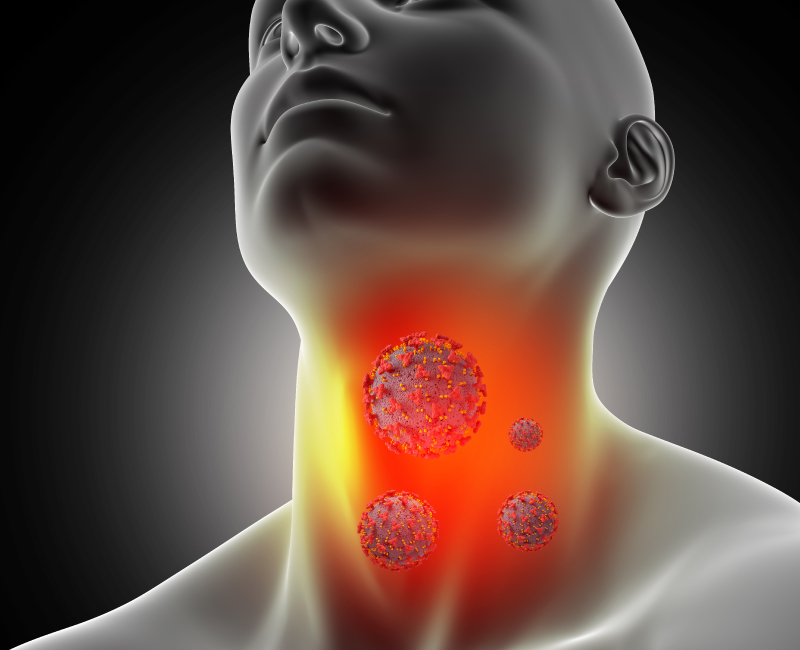
The doctor looks in the nose, mouth, and throat for abnormalities and feels for lumps in the neck. Regular dental check-ups are also important to screen for head and neck cancers.
Lung cancer

Low-dose helical or spiral computed tomography (CT or CAT) scan
A CT scan takes x-rays of the inside of the body from different angles. A computer then combines these images into a detailed, 3-dimensional image that shows any abnormalities or tumors. Learn more about lung cancer screening.
Prostate cancer
Digital rectal examination (DRE)
A DRE is a test in which the doctor inserts a gloved lubricated finger into a man’s rectum and feels the surface of the prostate for any irregularities.
Prostate-specific antigen (PSA) test
This blood test measures the level of a substance called PSA. PSA is usually found at higher-than-normal levels in men with prostate cancer. But a high PSA level may also be a sign of conditions that are not cancerous.
Skin cancer
Complete skin exam
A doctor checks the skin for signs of skin cancer.
Skin self-examination
People examine their entire body in a mirror for signs of skin cancer. It often helps to have another person check the scalp and back of the neck.
Dermoscopy
A doctor uses a handheld device to evaluate the size, shape, and pigmentation patterns of skin lesions. Dermoscopy is usually used for the early detection of melanoma.
Risks of screening
Screening tests can help doctors find a cancer at an earlier, more treatable stage. This may help improve survival. But cancer screening also has a number of risks. These risks include:
Overdiagnosis
Screening tests may find slow-growing cancers that would not have caused any harm during a person's lifetime. As a result, some people may receive potentially harmful, painful, stressful, and/or expensive treatments that they did not need.
False positives
Sometimes a screening test will suggest that a person has cancer when they do not.
Increased testing
Doctors may run additional tests that a person may not need because of overdiagnosis and false positives. These tests can be physically invasive, costly, and can cause unnecessary stress and worry.
False reassurance
Sometimes a screening test will suggest a person does not have cancer when they actually do. As a result, a person may not get the treatment he or she needs.
Screening recommendations
A number of organizations provide guidelines on cancer screening tests. Sometimes these guidelines suggest different things. Recommendations vary on
- Which type of cancer people should be screened for
- Which tests should be used to screen for a particular type of cancer
- What age screening should begin and end
- How often screening tests should be done
- What happens if the screening shows positive results?
Talk with your doctor about your personal risk of developing cancer. Together you can decide on an appropriate screening schedule based on your age and personal and family medical history.
Frequently asked questions
In the initial few days of an Autologous BMT, the patient will be given booster injections to mobilize stem cells in the blood. Following 4-5 days of booster injections, the patient will undergo a process similar to blood donation called stem cell apheresis. Suppose the dose of stem cells collected is of a sufficient quantity, in that case, the next step will be to give chemotherapy which can last for anywhere between 1-6 days depending on the type of preparative regimen. Following this, the patient will need to be in the BMT unit approximately for the next two weeks, until the recovery of blood counts. Stay in the BMT unit is to monitor the clinical condition of the patient and to ensure that patient is protected from infections.
In this, the type of stem cells used will be the donor stem cells. The patient will initially have to undergo the preparative regimen, which may consist of only chemotherapy or chemotherapy and radiation. Following this, the patient will receive the donor stem cells, which is just like receiving a blood transfusion. Subsequently, the patient will have to stay in the BMT unit for another 2-3 weeks till recovery of blood counts. On average, a patient undergoing Allogenic BMT will have to stay in the hospital for anywhere between 2-3 weeks. During this period, the patient is continuously encouraged to maintain some level of physical activity depending on the functional capacity. The help of the Physiotherapy team is taken to enable this. The patient is supported on a diet which varies depending on the phase of the transplant and dietician’s advice. This food will have to be prepared under strict aseptic precautions and transported from the kitchen to the unit in sealed containers to maintain hygiene. Patients are also encouraged to indulge in various forms of activities like reading, writing, meditation exercises, hobbies like craft-making or playing music to ensure that the mind is relaxed and ready to deal with any stress or anxiety. The patient is usually discharged when the blood counts have sufficiently recovered (a phenomenon called – engraftment) and if there are no signs of graft versus host disease.
Since the patients will be subjected to a high dose of chemotherapy, patients become more susceptible to variations in blood levels with an increased risk of infection and bleeding. There might be inflammation of the gastrointestinal tract leading to pain while swallowing and loose stools. Stomach aches and vomiting are a common feature due to gastric irritation from all the medications. Depending on the type of BMT done, a condition called Graft Versus Host Disease (GVHD) may arise. Some of the rarer side effects include Veno-occlusive disease (VOD), cardiac and renal dysfunction.
In patients undergoing an Allogenic BMT or a Haplo-identical BMT, where the stem cells are from a donor and not-self, there is a chance that the donor immune cells might not recognize the host cells and attack them as foreign cells. This attack can happen either within the first 100 days of the BMT – called Acute GVHD or later up to a couple of years (Chronic GVHD). To reduce the incidence of GVHD, any patient who undergoes an allogeneic BMT or haploidentical BMT will also receive medications to suppress the immunity.
The patient who has undergone an Autologous BMT usually resume full functional activities by 6-8 weeks. The patients who have had an Allogenic BMT, typically need to be monitored regularly for up to 6 months. This monitoring may include hospital visits weekly to check for any signs of GVHD and adjust the dose of immune-suppression medications.
For everyone who undergoes a BMT, it will be a life-changing experience, and with time, patients will adapt to a new normal. Within a few months of completing a BMT, patients will regain most of their functional capacity and will be able to re-integrate back into their regular social life. Some of the long term changes include hormonal imbalances, depending on the age, risk of developing infertility and rarely, reduction in heart or lung capacity.
Patients who are suffering from a variety of cancerous and non-cancerous blood disorders can be offered the option of a bone marrow transplant. The blood cancers in which a BMT has a curative role include:
• Acute Myeloid Leukaemia with High risk and relapsed disease.
• Acute Lymphoblastic Leukaemia with High risk and relapsed disease.
• Multiple Myeloma
• Relapsed Hodgkins Lymphoma
• Relapsed Non – Hodgkins Lymphoma – High grade
• High-risk Chronic Myeloid Leukaemia.
The non-cancerous blood disorders where BMT plays a curative role include:
• Thalassemia Major
• Sickle cell anaemia
• Paroxysmal Nocturnal Hemoglobinuria
• Primary Immunodeficiency disorders
• Aplastic Anaemia.
In particular, solid cancers which generally occur in the younger age group like Neuroblastoma and Ewings Sarcoma, BMT has a role in treatment.