Protecting Your Skin from the Sun
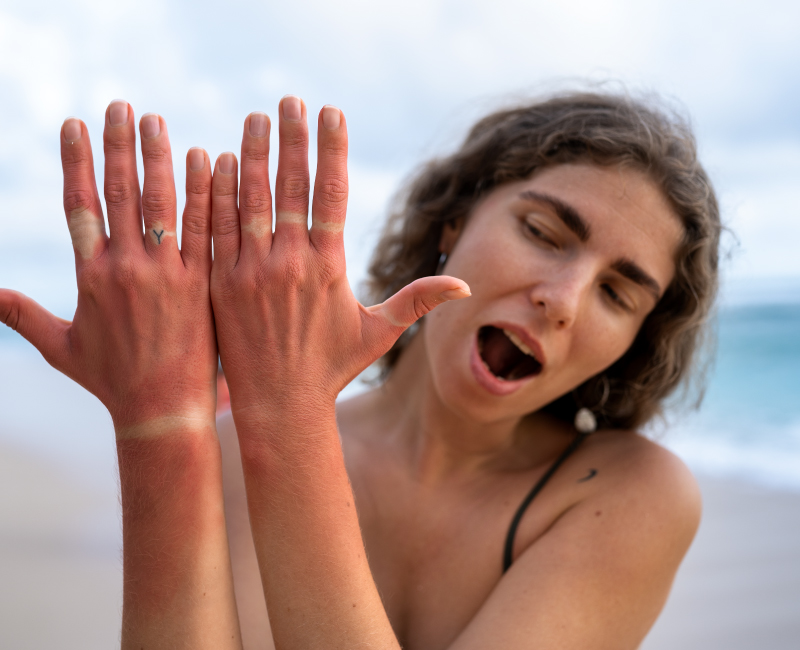
Exposure to ultraviolet (UV) radiation is the leading cause of skin cancer. There are 2 types of UV radiation: Ultraviolet A & Ultraviolet B Ultraviolet A (UVA). UVA radiation can pass through glass. Research suggests that it may cause premature aging and wrinkling of the skin and in long term causing basal cell carcinoma, squamous cell carcinoma, and melanoma Ultraviolet B (UVB). UVB does not pass through car windows or other types of glass. UVB radiation, is more closely linked with the development of skin cancer, melanoma & also causes sunburn. It is very important to protect your skin from both UVA and UVB radiation, to start with you can start using Sunscreen lotion before heading out.
Tips for Protecting Your Skin from the Sun
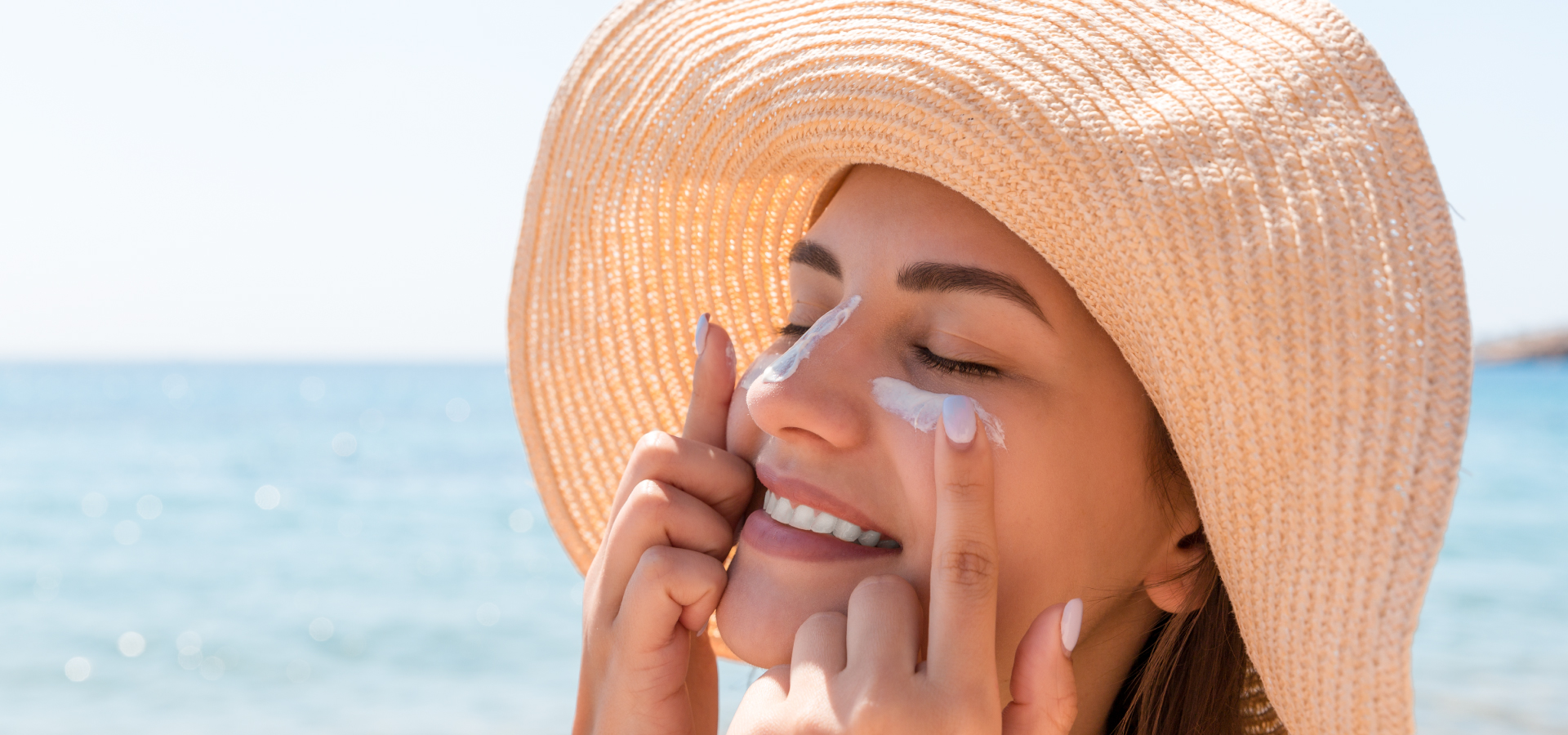
It’s probably one of the easiest ways to prevent millions of cases of cancer each year—sunscreen. However, most of us still forget to slather on the sunscreen. In fact, a recent study showed that just 14% of American men and 30% of American women regularly put sunscreen on their faces and other exposed skin before heading outside for more than an hour. So what do you need to know about protecting your skin from the sun? Here are 10 tips to keep in mind as you finish out the summer.
How to protect your skin from the sun?
Sun damage builds up over time. It is important to use sunscreen every day, even if it is cloudy.
Choose a broad-spectrum sunscreen that protects against both UVA and UVB radiation. Make sure it is water resistant and has a sun protection factor (SPF) of 30 or higher. Other types of sunscreen may help prevent sunburn, but they will not protect against skin cancer.
Use a lip balm or lipstick that contains sunscreen with an SPF of at least 30.
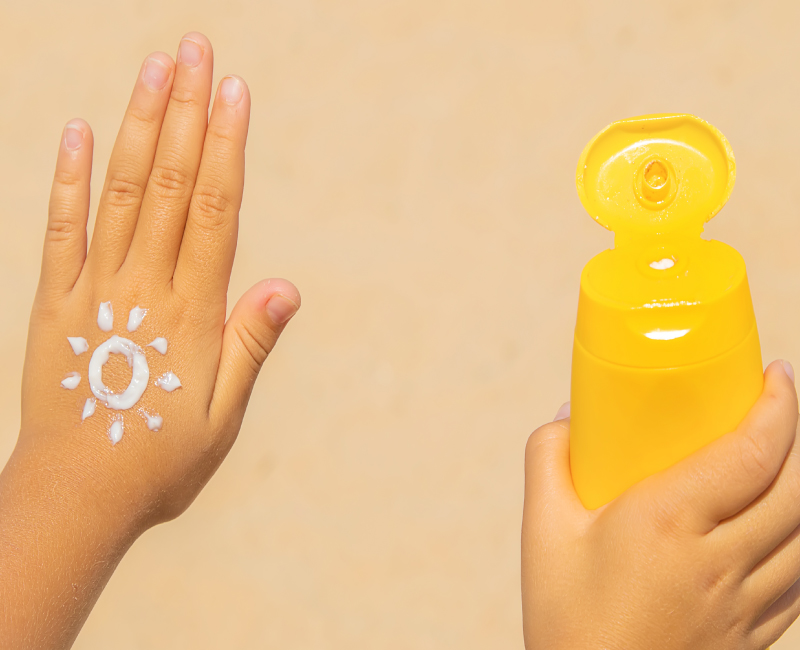
Apply at least 1 ounce of sunscreen 15 to 30 minutes before going outdoors. One ounce is enough sunscreen to fill a shot glass.
Reapply sunscreen to your entire body every 2 hours. Reapply every hour if you are swimming or sweating.
Sunscreen creams are better for dry skin. Gels are better for the scalp or hairy areas.
Do not use sunscreens that have expired.
Other sun protection tips
Limit sun exposure. The sun's rays are the most intense between 10:00 AM and 4:00 PM. Practice the shadow rule: if your shadow is shorter than you, you should find shade. Always keep babies younger than 6 months old completely covered and in the shade.
Pay attention to the UV index. This numbered scale measures how damaging exposure to the sun will be on any particular day. It is often included in the weather report. When the index is 10 or higher, people should try to stay indoors. Be careful around reflective surfaces. Water, snow, and sand reflect the damaging rays of the sun and increase your risk of getting sunburned.
Wear protective clothing and sunglasses. Make sure you have a long-sleeved shirt, long pants, and a hat that shades the face, neck, and ears. Dark clothing with tightly woven fabric blocks more sun than white or loosely woven fabrics. For additional protection, look for clothing made with special sun-protective materials. Make sure your sunglasses have 99% to 100% UV absorption.
Be aware of medication side effects. Some medications may make you more sensitive to the sun. These include specific types of antibiotics, anti-inflammatories, antifungals, blood pressure medications, and some types of chemotherapy.